A century ago, women were told not to run too far, lift too heavy, or compete too fiercely.
Today, women run ultramarathons, lift Olympic bars, fill stadiums, and build global fitness communities.
The journey from “too fragile” to formidable hasn’t been smooth, but it has been powerful.
This International Women’s Day, we’re celebrating the pivotal moments that reshaped women’s sport and exercise – and the women who refused to sit on the sidelines.
Because movement has always been about more than fitness. It’s been about freedom.
When women were told “No”
In 1928, women were allowed to compete in Olympic track and field for the first time. It was progress, but limited. After several runners collapsed in the 800m, critics claimed the distance was “too dangerous” for women. The event was removed from the Games for over 30 years.
The message was clear: know your limits. But women kept pushing them.
In the UK, women’s football had already drawn huge crowds during World War I. Yet in 1921, The FA banned women from playing on affiliated pitches, claiming the game was “unsuitable for females.” The ban lasted 50 years.
Still, women played in parks, on unofficial fields, wherever they could.
The turning points
The 1970s marked a shift. In 1971, the FA lifted its ban on women’s football. Opportunities slowly began to reopen.
In 1984, the first women’s Olympic marathon took place, proving women were more than capable of endurance at the highest level.
In 1993, the UK launched the Women’s Sport Foundation to tackle inequality and increase visibility in sport.
And in 2012, the London Olympics became the first Games in history where every competing nation included female athletes. It was also the first-time women competed in every Olympic sport.
Each milestone wasn’t just symbolic. It changed what young girls believed was possible.
Redefining strength
The biggest transformation over the last 20 years hasn’t just been about access; it’s been about identity.
Women are no longer expected to exercise to be smaller. They train to be stronger. Faster. Fitter. Healthier.
We’ve seen the rise of:
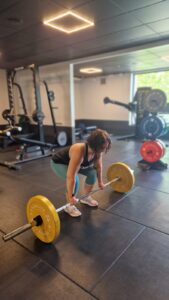
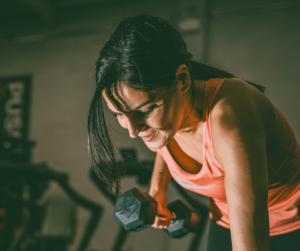
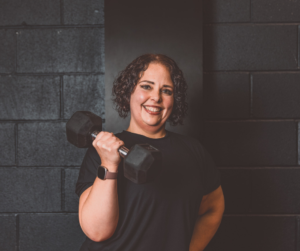
- Women in strength training and weightlifting
- Running clubs built around community, not competition
- Open conversations about menstrual cycles, menopause, and training
- A shift from aesthetic goals to performance and wellbeing
Exercise has become a tool for confidence, mental clarity, connection, and resilience. And yet, many women still report feeling intimidated in gyms, undervalued in sport and underrepresented in media, unsure if they truly belong in fitness spaces.
That’s why the next chapter isn’t just about participation. It’s about belonging.
Where we are now
In 100 years, women have gone from being banned from football pitches to selling out Wembley.
From being told not to run 800 metres to breaking marathon world records.
From being seen as delicate to redefining what strength looks like physically, mentally, and socially.
Progress happened because women kept showing up, even when the systems weren’t built for them. And today, the responsibility shifts to the spaces around them, to create environments that genuinely support, celebrate, and empower women in all stages of life.
This International Women’s Day
When a woman walks into a gym, joins a class, or laces up her trainers, she carries generations of resilience with her. But she shouldn’t have to carry it alone.
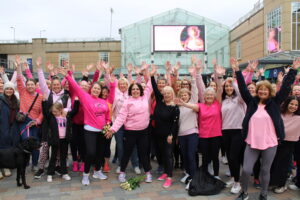
This March, as part of International Women’s Day, Power to Glow is about recognising women not just as participants, but as priorities.
It’s about creating experiences that reflect women’s real lives, real challenges, and real aspirations. Supporting physical strength, mental wellbeing, and social connection. Making women feel seen, heard, and valued in spaces where they haven’t always felt that way.
Because empowerment isn’t just about breaking barriers. It’s about building environments where:
- Girls can build confidence from their earliest years
- Teenagers discover strength and self-belief
- Adults prioritise their wellbeing without guilt
- Older generations stay active, connected, and independent
Movement is not reserved for one age, one ability, or one stage of life, but is accessible, inclusive, and welcoming to all. That’s how we honour the past 100 years of progress. Not just by celebrating how far women have come, but by creating communities where every generation feels they belong.
Here’s to how far we’ve come, and to the spaces and communities that help women keep moving forward. Here’s to continuing the movement. Together.
Check out what activities are available and join an inclusive, supportive community at www.lifeleisure.net