Menopause is a natural stage of life, but that doesn’t mean the changes that come with it are always easy.
For some people, symptoms can start years before menopause itself. This stage is known as perimenopause, when hormone levels begin to fluctuate. Symptoms can vary from person to person and can include hot flushes, night sweats, changes to sleep, low mood, anxiety, brain fog, joint aches and changes in weight or body composition.
Menopause is a significant stage of life that isn’t talked about or understood enough, leaving many feeling unprepared or unsupported. Menopause Awareness Month aims to encourage open conversations and highlight the need for better support in workplaces, healthcare, and communities for people experiencing menopause.
What’s the difference between perimenopause and menopause?
Perimenopause is the period leading up to menopause. Hormone levels, particularly oestrogen, begin to fluctuate, and you may start experiencing symptoms. Your periods may become irregular, but everyone’s experience is different.
Menopause is reached when you haven’t had a period for 12 consecutive months. It usually happens between the ages of 45 and 55, although it can happen earlier or later.
After menopause, you enter postmenopause.
Looking after your physical and mental wellbeing through all stages of life can really help to manage the symptoms of menopause.
How can exercise help during menopause?
- Supporting bone strength
Oestrogen plays an important role in maintaining bone health. As oestrogen levels fall around menopause, bone density can decrease.
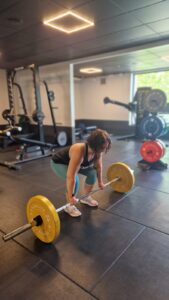
Weight-bearing and resistance exercise can help support bone strength. This could include activities such as walking, dancing, strength training, or bodyweight exercises, building strength gradually and consistently.
- Maintain muscle and strength
Muscle mass naturally changes as we get older, and hormonal changes during menopause can contribute to changes in body composition.
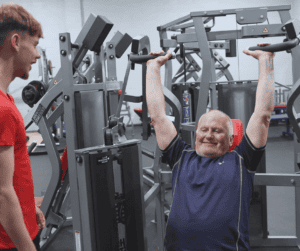
Strength training can help you maintain and build muscle, support your joints and make everyday activities feel easier.
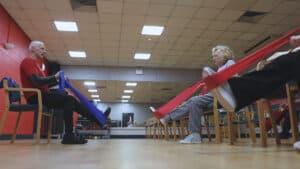
Think squats, lunges, resistance exercises, weights or resistance bands. Start at a level that feels manageable and build from there.
- Support your heart health
Regular physical activity is good for cardiovascular health at every stage of life.
Walking, swimming, cycling, dancing, group classes, or anything else that gets your heart rate up can all contribute towards an active lifestyle.
It doesn’t have to be all or nothing. A little more movement can still be a positive step.
- Boost mood and mental wellbeing
Hormonal changes, disrupted sleep and other menopause symptoms can affect how you feel day to day.
Exercise can be a useful part of looking after your mental wellbeing. Whether it’s a walk outside, a swim, a group class or a gym session, moving your body can give you time to switch off, boost your mood and create a sense of routine.
And there’s something to be said for moving with other people too. A friendly class or activity can provide connection as well as movement.
- Better sleep
Sleep can become more difficult during perimenopause and menopause, particularly if you’re experiencing night sweats or changes in mood.
Regular physical activity can support healthy sleep patterns. Finding an activity you enjoy and building it into your routine may help you feel more ready to rest at the end of the day.
If you’re struggling with sleep or other menopause symptoms, it’s also important to speak to your GP or another healthcare professional.
What type of exercise should you do?
There isn’t one perfect ‘menopause workout’. A balanced routine can include a mixture of strength training, cardiovascular exercise, weight-bearing movement, mobility and flexibility.
But the most important exercise you should do is… the one you enjoy.
However that looks for you, the best workout is always the one you’ll enjoy sticking to.
When should you speak to your GP?
Menopause symptoms can be different for everyone, and you don’t simply have to put up with symptoms that are affecting your quality of life.
If you’re experiencing symptoms that are worrying you, are affecting your everyday life, or you’re unsure whether they’re related to perimenopause or menopause, speak to your GP or another healthcare professional.
Exercise can be an important part of supporting your health during this stage of life, but it isn’t a replacement for medical advice or treatment where you need it.
Your best is enough
When you’re dealing with changing hormones, tiredness, poor sleep or symptoms that seem to change from one day to the next, your usual routine might not always feel achievable.
And that’s okay. Movement doesn’t have to look the same every day to count.
The aim isn’t to push through every symptom or punish your body. It’s about finding ways to move that support how you feel, at a pace that works for you.
Ready to get moving?
From swimming and group exercise to strength training, walking and lots more, there are plenty of ways to get moving and feel good in Stockport at Life Leisure.
Move how you want. Love how you feel.
Explore activities in your local area at www.lifeleisure.net