From living rooms to workplaces, conversations are turning to football as the 2026 FIFA World Cup kicks off. Millions of people around the world will be tuning in to watch some of the most talented athletes on the planet compete on the biggest stage, but there’s a lot more to elite football than what happens during the 90 minutes on the pitch.
Behind every great performance are healthy habits built day after day, week after week, to ensure they keep on top of their game.
Here are some of the key lessons we can all take from the world’s best players.
- Consistency
Your favourite footballers didn’t become elite athletes overnight. Their success comes from consistently showing up, training regularly and sticking to routines over time.
The same principle applies to our own health and wellbeing. You don’t need to spend hours in the gym every day or train at an elite level. Small, regular actions over time can make a big difference.
Whether it’s taking a daily walk, attending a fitness class each week or swimming regularly, consistency is often more important than intensity.
A missed workout or a weekend of enjoying yourself doesn’t undo your progress. What matters most is getting back to your routine. The people who succeed are those who don’t give up.
- Rest and recovery
When we think of professional athletes, we often focus on training. But recovery plays a huge role in helping players perform at their best.
Elite athletes understand that their bodies need time to rest and repair. That’s why recovery is built into their training plans just as carefully as exercise itself. Without adequate recovery, performance suffers, the risk of injury increases and both physical and mental fatigue can begin to take its toll.
The same is true for all of us.
During rest days, your muscles repair and rebuild, energy stores are replenished, and your body prepares itself for more activity. Taking a day away from intense exercise doesn’t mean you’re losing progress. In fact, allowing your body time to recover can help you perform better in the long run.
Getting enough sleep is also very important. While we sleep, our bodies carry out many of the processes that support recovery and overall health, and regularly missing out on sleep can make it harder to stay motivated, recover from exercise and maintain healthy habits.
Footballers, including Lionel Messi, are known to prioritise sleep and recovery, often incorporating naps into their routines.
Research shows that adults should aim for around 7–9 hours of quality sleep each night, although individual needs can vary. Creating a consistent bedtime routine, limiting screen time before bed and keeping your bedroom cool and comfortable can all help improve sleep quality.
- Hydration
Hydration is a key part of a footballer’s performance routine, especially when training and competing in warmer conditions.
Even mild dehydration can affect your energy levels, concentration, physical performance and mood.
Staying hydrated doesn’t require expensive sports drinks. For most people, regularly drinking water throughout the day is one of the simplest ways to support overall health and wellbeing.
If you’re exercising or spending time outdoors during warmer weather, make sure you drink plenty of fluids before, during and after activity.
- Building strength
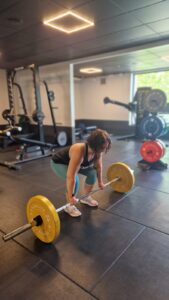
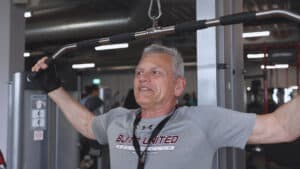
Modern footballers spend plenty of time in the gym building strength, not just for performance, but also to reduce injury risk and support long-term health.
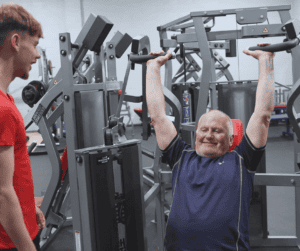
Strength training isn’t only for athletes or bodybuilders. It can help people of all ages to:
- Improve balance and mobility
- Build confidence
- Support bone health
- Make everyday activities easier
Whether you’re lifting weights, using resistance bands or trying a strength-focused fitness class, building strength can have benefits both inside and outside the gym.
- Nutrition
When we watch footballers perform at the highest level, we’re seeing the result of years of training, dedication and preparation, including being mindful about how they fuel their bodies.
What you eat directly affects how you train, recover and perform. While most of us aren’t preparing for a World Cup match, the food we eat still provides the energy our bodies need to move, think and feel our best.
There’s no need to overcomplicate it, and you can still enjoy food without restriction. Healthy eating is about what you do most of the time, not all of the time.
Try to:
- Include plenty of fruit and vegetables in your meals
- Include sources of protein such as lean meat, fish, eggs, beans or lentils
- Stay hydrated by drinking water regularly throughout the day
- Plan healthy snacks to help maintain energy levels
Just as footballers don’t rely on a single healthy meal before a match, good nutrition is about consistency over time. Making small positive choices each day can help you feel more energised, recover better from activity and support your overall wellbeing.
While we may never step onto a World Cup pitch, we can all learn from the habits that help our favourite footballers stay healthy, energised and ready to perform when it matters most.